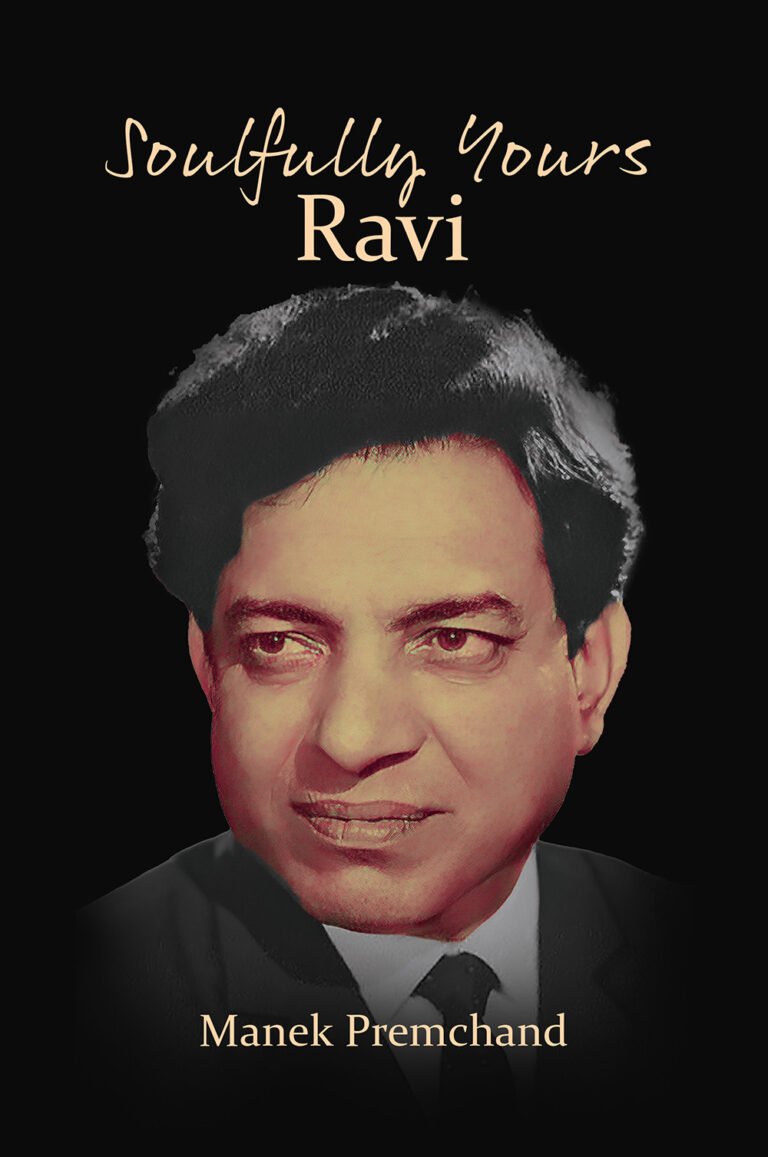
Manek Premchand
Author | Film Music Historian
Manek Premchand is a passionate aficionado of Hindi film music, with a special devotion to the Golden Era—from the mid-1940s to the late 1960s. He has taught Broadcasting and Visual Communications at St. Xavier’s College, Mumbai, and has conducted Master Classes on The Evolution of Music in Hindi Films at Manipal University, Karnataka. He has also served as an Advisor to Manipal University Press, which has published two of his works.
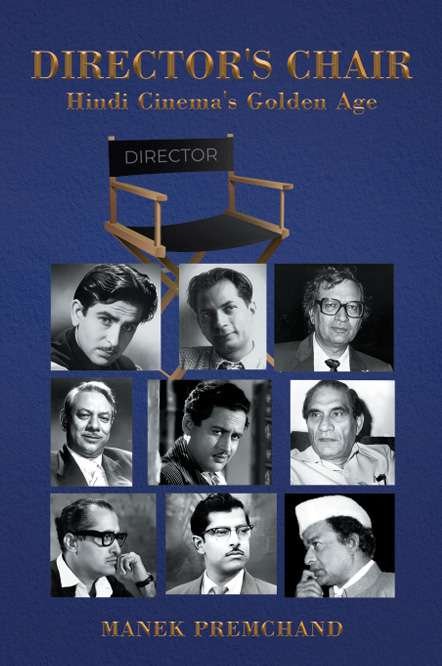
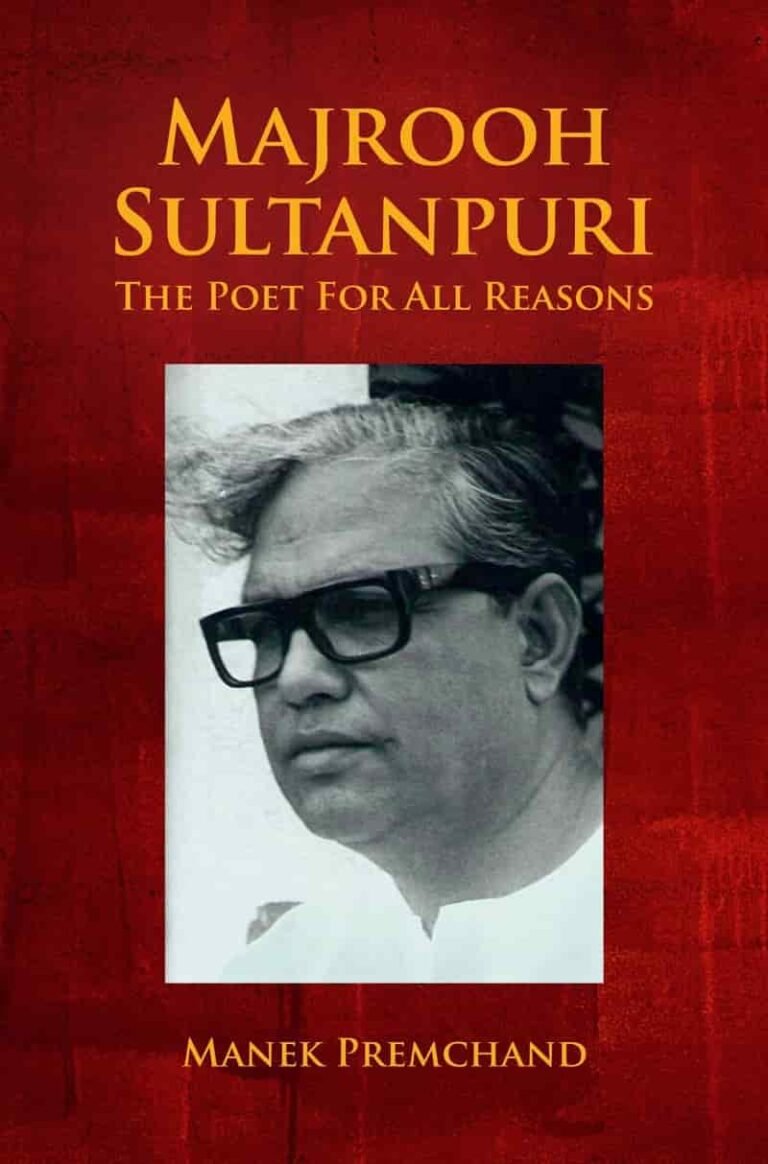
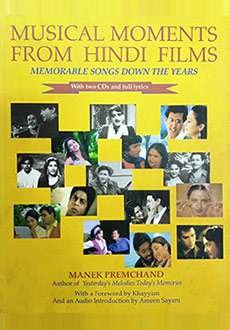
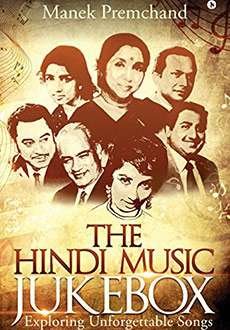
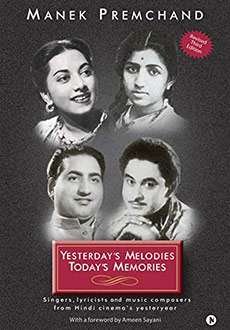
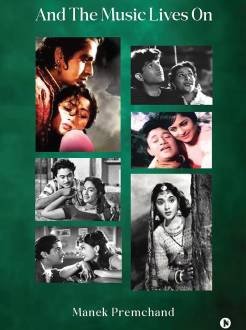
A prolific writer, Manek has authored hundreds of articles and numerous books on music, which include Yesterday’s Melodies, Today’s Memories, Musical Moments From Hindi Films, Romancing The Song, Shiv Kumar Sharma, The Man and His Music (co-authored), Talat Mahmood—The Velvet Voice, Hitting The Right Notes, The Hindi Music Jukebox, The Unforgettable Music of Hemant Kumar (co-authored), Majrooh Sultanpuri: The Poet For All Reasons, DIRECTOR’S CHAIR — Hindi Cinema’s Golden Age, And the Music Lives On and Shyam—A Star Forgotten (edited).
He has been a Jury Member at the Bangalore International Film Festival and a Guest Speaker at the Mangalore LitFest. His voice has been heard on radio, including WorldSpace Satellite Radio, and he has been featured in many television programmes, celebrating and preserving the legacy of Hindi film music.